The Uncomfortable Truths We Don’t Want to See
Let’s imagine America decides to see a therapist…
Scene: The waiting room is neutrally decorated with abstract art and soft lighting, a small succulent on the side table next to well-worn psychology magazines. America sits stiffly in the leather chair, adjusting her red, white, and blue blazer. She’s never been to therapy before – patriots don’t need therapy, she tells herself. But the anxiety attacks have been getting worse, the sleepless nights filled with images she can’t quite remember. Her doctor insisted. “Just one session,” she muttered as she finally pushes open the door.
Therapist: Tell me about yourself…
America: I’m the land of the free, the home of the brave. A nation of immigrants, a beacon of democracy. I believe all people are created equal, that everyone deserves life, liberty, and the pursuit of happiness.
Therapist: That’s a beautiful self-image. Now tell me, how do you actually live?
America: Well… I mean, I have some problems with immigrants coming here illegally—
Therapist: …but didn’t you say you’re a nation of immigrants?
America: …well… yes, but that was different. Those were the right kind of immigrants.
Therapist: ahhh… I see. And this equality you mentioned—how does that manifest in your daily life?
America: Everyone has equal opportunity here. Anyone can make it if they work hard enough.
Therapist: …yet some of your citizens have billions while others can’t afford basic healthcare. Some live in mansions while others sleep on streets. How do you reconcile this?
America: well… that’s just… that’s just how economics work. It’s natural…
Therapist: …natural? …or constructed? Tell me, who built your most important buildings?
America: my founders, my pioneers, my— [long pause; nervously fidgets with her flag pin] I… I don’t like to talk about that
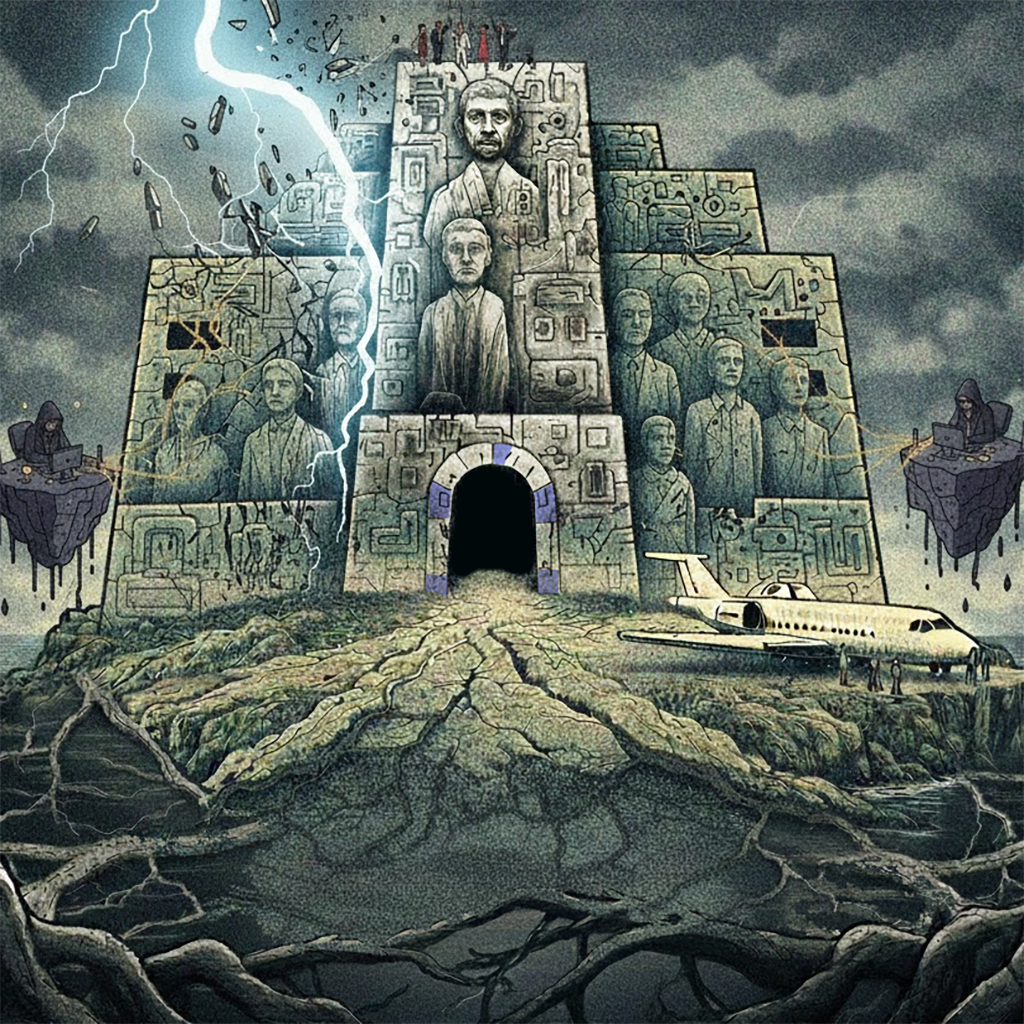
This imagined therapeutic session proposes what Carl Jung might have recognized as a classic case of shadow projection—the tendency to repress, deny, or refuse to acknowledge those aspects of ourselves that contradict our conscious self-image. When applied to collective entities like nations, the shadow becomes even more complex and powerful than individual psychological repression.
America’s collective shadow is shared cultural and institutional denial that operates through our myths, narratives, educational systems, and political discourse. As a society, we’ve learned not to see the contradictions between our proclaimed values and our actions.
The Immigration Paradox
Perhaps nowhere is America’s collective shadow more visible than in our relationship with immigration. We’ve constructed narratives that allow us to simultaneously celebrate our immigrant origins while demonizing contemporary immigration through shared myths and selective historical memory. We romanticize European immigration as brave pioneering while framing current immigration as invasion or burden – a systematic cultural process that maintains our self-image as a ‘nation of immigrants’ while supporting policies that betray that identity.
This contradiction runs deeper than policy disagreements. It reflects our unwillingness to confront the uncomfortable truth that our nation’s origins involved both the displacement of native populations and the systematic exploitation of enslaved Africans and waves of immigrant laborers. When we deny the legitimacy of current immigration, we’re unconsciously rejecting the very process that created America itself.
Built by Those We Now Reject
The shadow deepens when we consider how America’s foundational infrastructure was literally built by the forced labor of people from other countries, on land stolen from Indigenous peoples through genocide and systematic displacement. The Capitol Building, where immigration restrictions are debated, was constructed using enslaved labor on territory taken from the Nacotchtank people. The White House, symbol of American democracy, was built by enslaved people brought from Africa on land that once belonged to the Piscataway Nation. Much of the railroad system that connected our nation was constructed by Chinese immigrants facing dangerous conditions and discriminatory pay, cutting through territories seized from countless Native tribes.
Wall Street – the financial heart of American capitalism – was built on land where enslaved people were once bought and sold and where the Lenape people once lived, with much of its early wealth derived from financing the slave trade, slave-produced commodities, and land speculation on stolen Indigenous territory. The economic foundations that allowed America to become a global power were built on the backs of forced immigrants and exploited voluntary ones, all on land taken through violence and broken treaties.
We live in buildings, travel on roads, and benefit from economic systems originally constructed by the very populations we now seek to exclude or marginalize, all while occupying land that was never legally ours to begin with. We celebrate monuments to American achievement while erasing the contributions of those who originally built them and the prior claims of those who first inhabited this land. Our educational systems, museums, and national narratives systematically minimize these foundational contributions, creating shared ignorance that isn’t accidental but culturally constructed.
How We Learned to Value Wealth Over Democracy
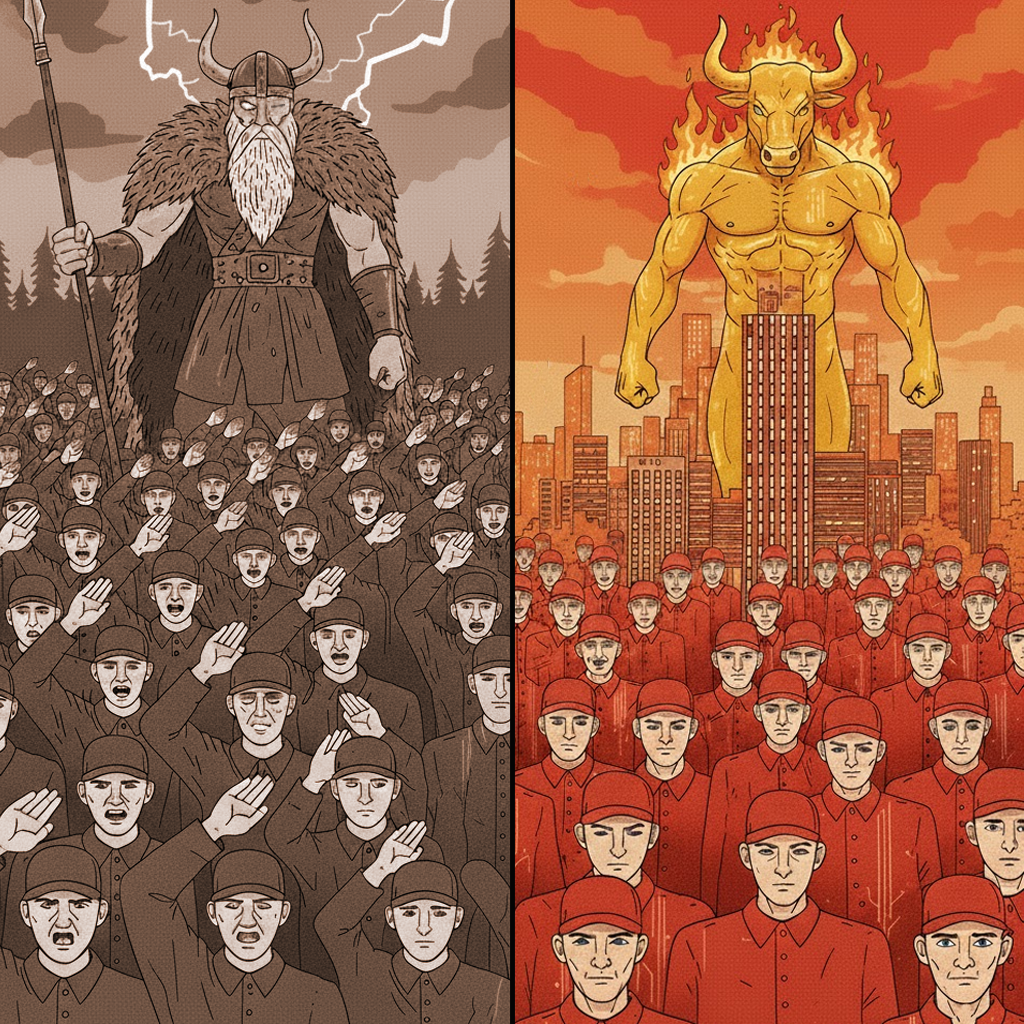
American society has systematically elevated corporate interests above human welfare through legal, cultural, and economic frameworks that treat artificial entities as more important than actual people. We’ve normalized corporate personhood through decades of conditioning that makes artificial entities’ “rights” seem natural while human needs became secondary.
While we proclaim that “all men are created equal,” we’ve built a system where corporate executives earn hundreds of times more than their workers, where billionaires accumulate wealth faster than entire countries’ GDP growth, and where basic necessities like healthcare, housing, and education become luxuries for many. We’ve accepted that pharmaceutical companies can prioritize shareholder returns over patient access to life-saving medications, that environmental policies should be shaped more by fossil fuel lobbying than climate science, and that healthcare should be treated as a commodity rather than a human right.
We frame extreme wealth inequality as the natural result of merit and hard work while simultaneously celebrating human dignity and equality. We’ve accepted the contradiction between our stated democratic values – where each person’s voice should matter equally – and economic systems where wealth translates directly into political influence, effectively creating different classes of citizenship based on economic power. We tell ourselves we live in a government “of the people, by the people, for the people,” while tolerating a system where corporate donations and lobbying often matter more than citizen voices.
The Collective Blind Spot
Perhaps the most insidious aspect of America’s collective shadow is how our entire society has normalized forms of corruption that would be immediately recognized as such in other contexts. This isn’t about individual moral failings – it’s about how we’ve collectively constructed institutional frameworks that systematically hide corruption from our conscious awareness.
When Supreme Court justices accept expensive gifts from wealthy benefactors, when legislators trade on insider information, when former officials immediately become lobbyists for the industries they once regulated, we’ve created a system of legalized corruption. The shadow operates by reframing these practices as normal, even necessary parts of governance.
This corruption isn’t just about individual bad actors – it’s systemic. Campaign finance laws that allow unlimited spending, revolving door policies that create conflicts of interest, gerrymandering that allows politicians to choose their voters rather than the reverse. We’ve institutionalized practices that undermine democratic accountability while telling ourselves we’re preserving democratic institutions.
The Price of Shadow Projection
Jung warned that when we don’t acknowledge our shadow, we tend to project it onto others. In American politics, this manifests as the tendency to see corruption, authoritarianism, and moral failings primarily in our opponents while remaining blind to similar issues within our own movements or institutions.
The left points to right-wing voter suppression while sometimes ignoring how their own institutional leadership manipulates primary processes and marginalizes grassroots voices. The right decries government overreach while supporting policies that expand state power in areas they favor. Both sides claim to represent “real Americans” while dismissing the legitimacy of those who disagree. Yet neither side truly represents ‘we the people’.
This projection prevents the honest self-examination necessary for genuine reform. Instead of addressing systemic issues, we focus on defeating the ‘other side,’ as if changing who holds power will somehow resolve contradictions built into the system itself.
Facing Our Shadow
America’s collective shadow won’t disappear through denial or projection. The contradictions between our ideals and actions will continue to manifest in political dysfunction, social unrest, and moral crises until we develop the courage to see ourselves more clearly.
Acknowledging our collective shadow doesn’t mean abandoning patriotism or democratic ideals – it means developing what Jung called ‘shadow integration.’ We can honor genuine achievements while acknowledging limitations and failures. We can appreciate opportunities America has provided while recognizing costs imposed on others.
This requires moving beyond simplistic narratives toward institutional humility – designing systems that assume human fallibility rather than moral superiority. Stronger ethics enforcement, more transparent governance, and economic policies that prioritize broad-based prosperity over concentrated wealth.
The choice isn’t between patriotism and criticism, between loyalty and dissent. The choice is between shallow nationalism that denies uncomfortable truths and mature citizenship that engages with complexity. Only by facing our collective shadow can we begin to transform it.