On Halloween 2025, as the administration withheld SNAP benefits from millions of struggling Americans, the administration hosted a lavish, crony-filled, Gatsby-themed party. Vintage champagne flowed, jazz played, and the powerful danced in flapper dresses while across the country, families calculated whether they could afford both rent and groceries.
The symbolism was almost too perfect, as if the collective unconscious itself had staged the scene to force us to see a profound collective psychological imbalance.
“Let Them Eat Cake” to “Don’t Let Them Eat”
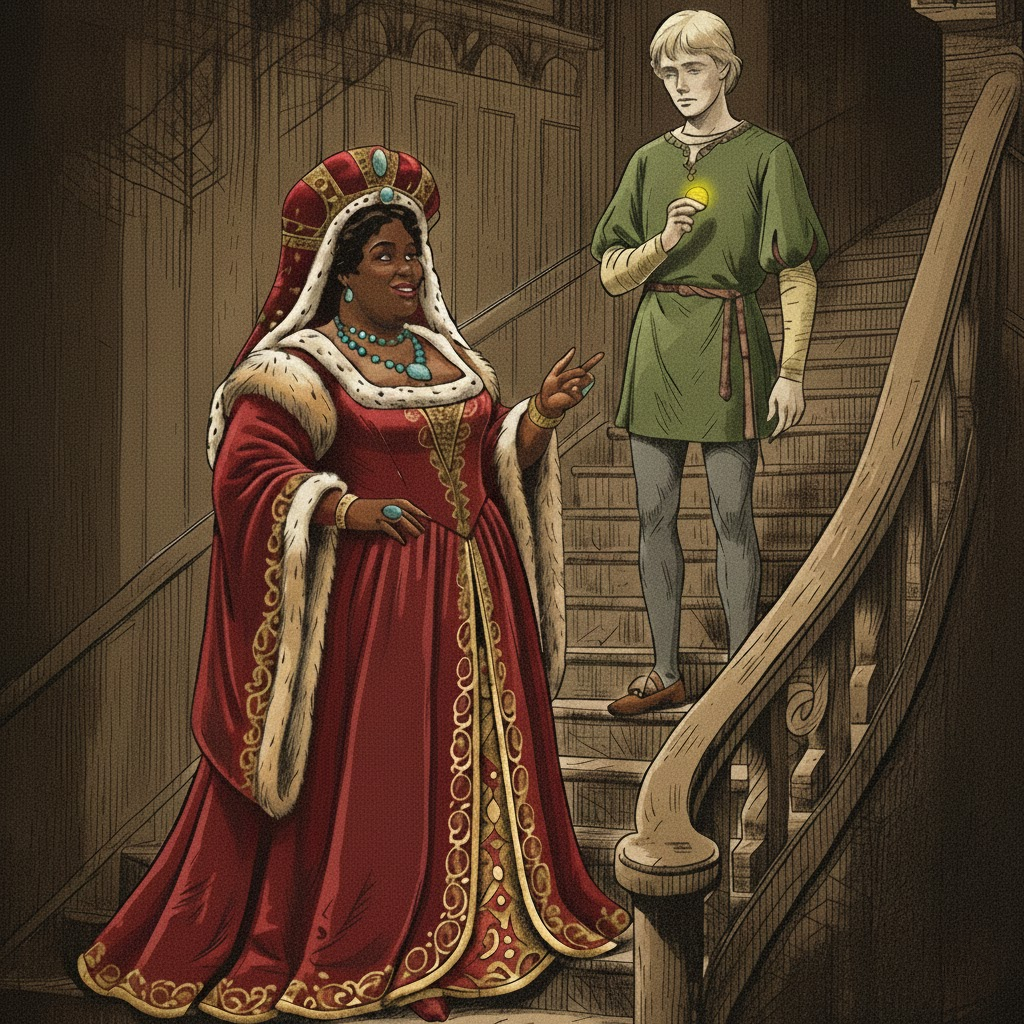
We remember the legend of Marie Antoinette’s quote “Let them eat cake” as a sign of ignorant disconnection. But our current moment is more psychologically extreme. The SNAP cuts weren’t a failure of imagination; they were active, deliberate choices—not “let them eat cake” but instead, “don’t let them eat at all.”
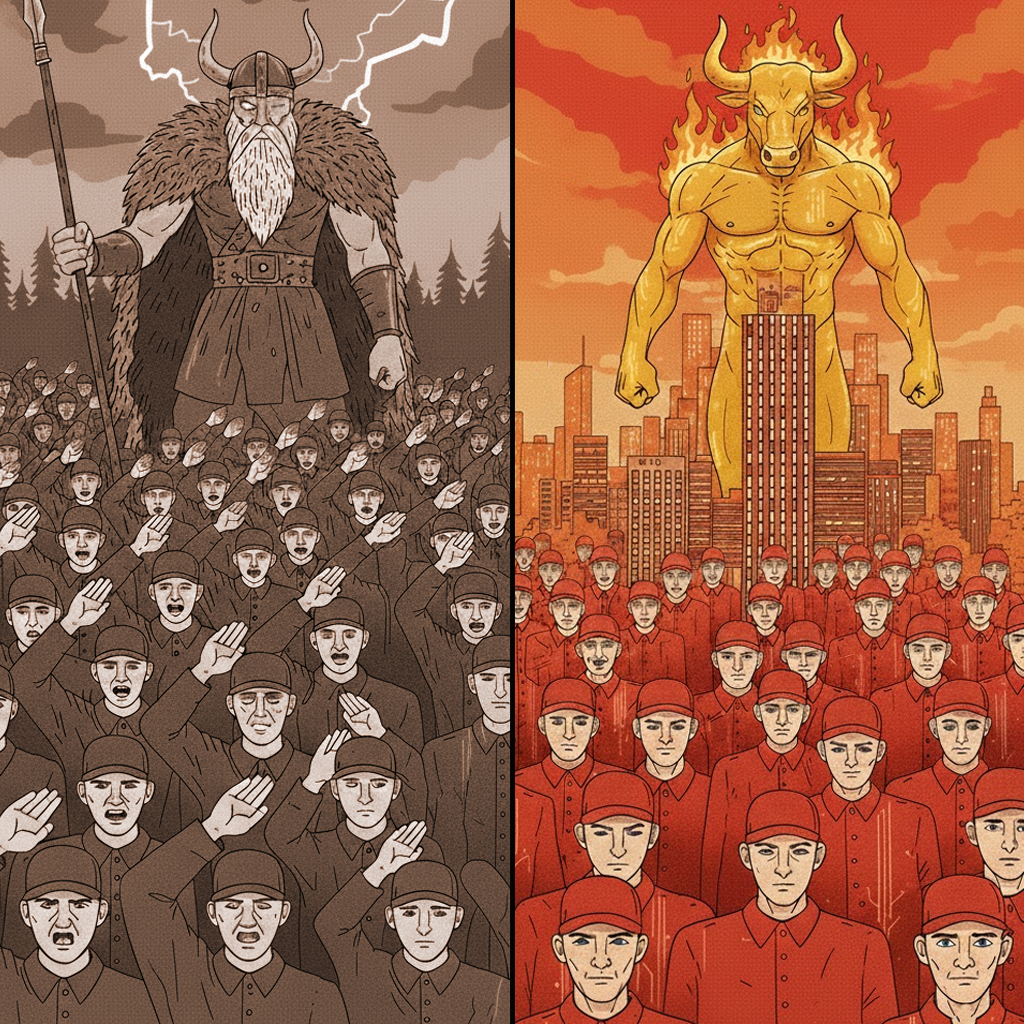
Jung would recognize this instantly as collective shadow possession. The disowned, unconscious cruelty of American capitalism in its unabashed greed, its contempt for the vulnerable, and its worship of wealth have entirely seized the collective ego of the ruling class. What was once a hidden, dirty secret—the structural violence of the system—is now performed openly, even celebrated, in the form of a million-dollar party held while food benefits are slashed. The shadow has moved from the margins to the governing center.
Enantiodromia and Dual Compensation
Jung observed that when any psychological attitude becomes too extreme and one-sided, the psyche automatically begins to produce its opposite, a principle he called enantiodromia. The American Dream, having been perverted into the ruthless ego-ideal of “I’ve got mine, and you deserve nothing,” has reached a breaking point, demanding compensation on two critical levels.
External Compensation: The Guillotine
The guillotine rises in our collective imagination as the symbol of violent correction of the ruling class by the people. It is the psyche’s primal demand for balance when the gap between the powerful and the powerless becomes psychologically and materially unsustainable. This isn’t necessarily a prediction of literal violence, though history shows that remains possible. Rather, it’s asking: has the imbalance become so severe that only radical, traumatic correction can restore equilibrium?
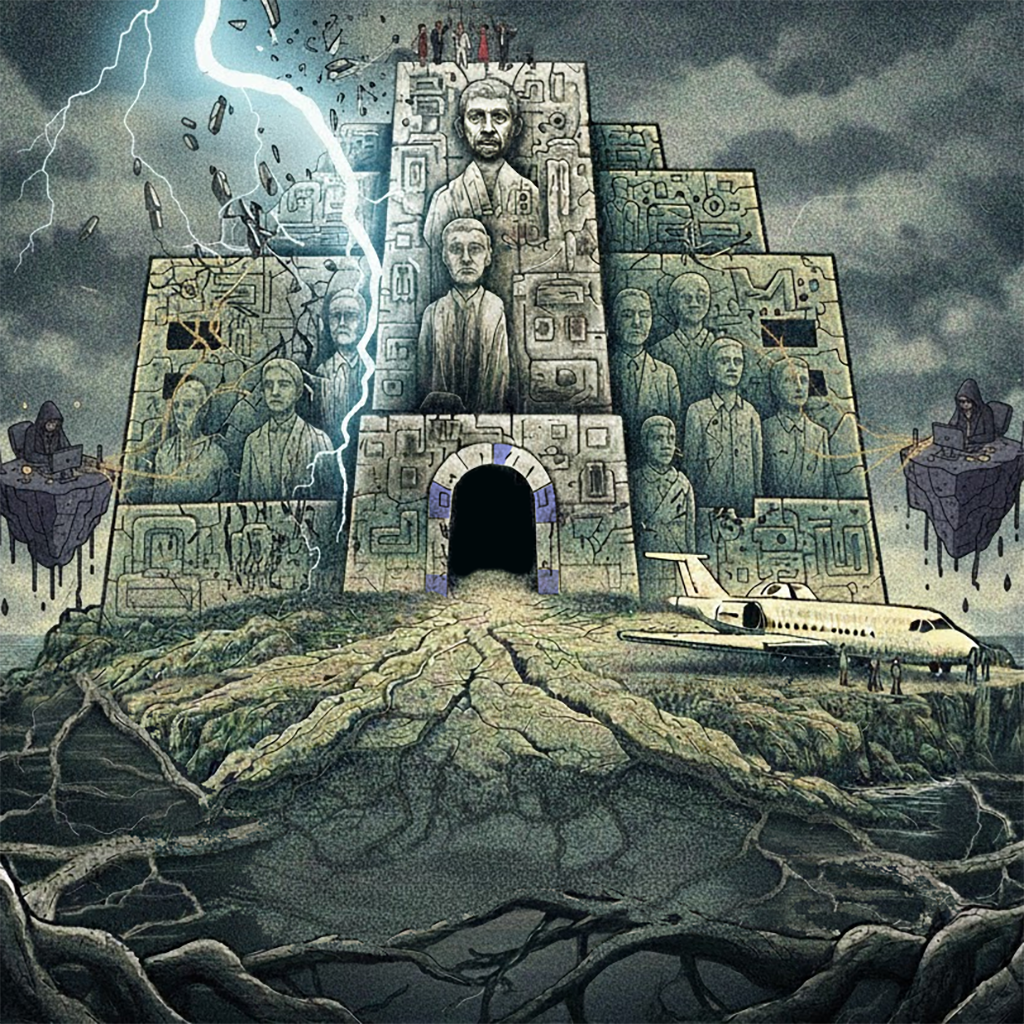
If conscious structural reform proves impossible, the collective unconscious may force change through social uprising, systemic collapse, or the self-destruction of the very institutions that enabled such extreme inequality. This is the chaotic, destructive return of the exiled shadow—compensation imposed from without when integration is refused from within.
Internal Compensation: The Spiritual Malaise
Crucially, the psyche compensates internally as well, and this may be the more insidious correction. The Gatsby party, for all its splendor, is the ultimate sign of this internal sickness. Gatsby, in Fitzgerald’s novel, was destroyed not by poverty, but by the emptiness of his own impossible dream. His parties were magnificent and hollow, spectacles that could never fill the void at their center.
For the current feasting class, their extreme identification with material excess and power must be compensated by a profound loss of meaning and spiritual poverty. The correction manifests not as a riot, but as widespread cynicism, ennui, and mass depression despite material abundance. The champagne becomes tasteless. The jazz rings hollow. The self-destruction of the institutions enabling this excess will be preceded or accompanied by the self-destruction of the souls who run them—the psychological bankruptcy that no amount of wealth can remedy.
This internal compensation is already underway. We see it in the desperate performance of joy at parties like these, in the need to make excess ever more garish to feel anything at all, in the profound isolation that wealth creates when it severs us from our common humanity.
The Complexity of the American Ego and the Shadow of the Dreamer
We must recognize that the American Ego is not monolithic. This current crisis is not just possession but a struggle for conscious integration taking place across society.
The American psyche is currently fractured between the Possessed Elite—those who are actively performing the shadow and projecting contempt onto the poor—and the Integration Seekers, the counter-movements, activists, and reformers working for structural justice. These figures represent the collective’s attempt to achieve conscious transformation, to face the shadow and fix the system without triggering violent enantiodromia. Their difficult work is the only genuine alternative to destruction. They are attempting to bring consciousness to what the possessed would keep unconscious.
But the shadow is not exclusive to the powerful. The dreamers—the struggling Americans and the strivers—often hold their own shadow projection: the Idealized American Dream. This is the psychological belief that the system is fundamentally fair, that success is purely meritocratic, and that the golden promise is still available to those who work hard enough. By clinging to this idealized projection, the dreamer fails to acknowledge the structural possession by greed and the rigged nature of the game. They become vulnerable to the very system that exploits them, defending it even as it crushes them.
Gatsby’s tragedy is that he was ultimately defeated by his own unintegrated, projection-laden ideal. He never saw that Daisy was just a woman, not the goddess of his dreams, and that the green light across the bay was just a light, not a portal to transcendence. Both the oppressor and the oppressed must integrate their shadows to achieve collective wholeness. The powerful must face their cruelty; the struggling must face the myth they’ve been sold.
The Path of Conscious Transformation
Jung believed that consciousness—painful, difficult consciousness—was the only alternative to unconscious possession and its inevitable destruction. For America, this means choosing conscious transformation over unconscious compensation.
It begins with acknowledging the shadow: admitting that the system is designed to concentrate wealth and that poverty is structural, not a moral failing. This requires withdrawing our projections, recognizing that the vulnerable are not morally inferior but rather the carriers of our own collective vulnerability, our shared human fragility that the ego desperately tries to deny.
We must choose wholeness over ego, understanding that a society where some feast while others starve is a sick society, and that this illness infects the souls of the wealthy as profoundly as it starves the bodies of the poor. There is no psychological health possible in profound inequality—the psyche knows this even when the ego denies it.
Finally, shadow work is not just psychological; it demands real material and structural changes. It requires actual redistribution, systemic correction driven by an ethical commitment to basic dignity for all. Jung understood that psychological transformation and material reality are inseparable—you cannot heal the psyche while the structures that wounded it remain intact.
The Great Gatsby party, held while SNAP benefits are withheld from millions of Americans, is a potent symbolic warning. Marie Antoinette ended at the guillotine. Gatsby ended floating dead in his pool, his illusions shattered. The collective unconscious is telling us that the current imbalance cannot hold.
The question is not whether correction will come—it always does. The question is whether we choose the path of conscious growth or wait for unconscious destruction to force the change upon us. Will we integrate our shadow, or will we be destroyed by it? The psyche knows better than the ego what must happen. It always does. And it’s trying to tell us something, if we’re brave enough to listen.
Our future is ours to write. Is it guillotines and gallows? …or perhaps The Hague? …or is it the voting booth?