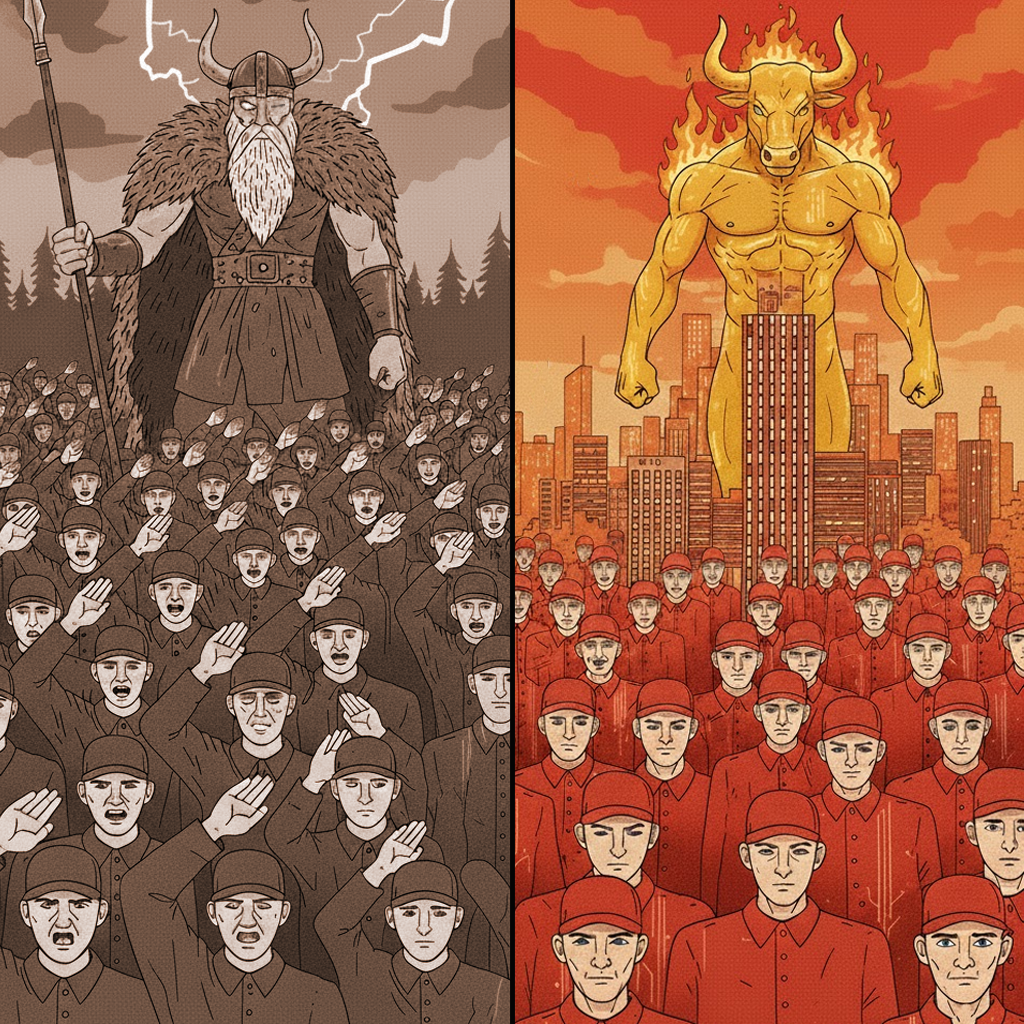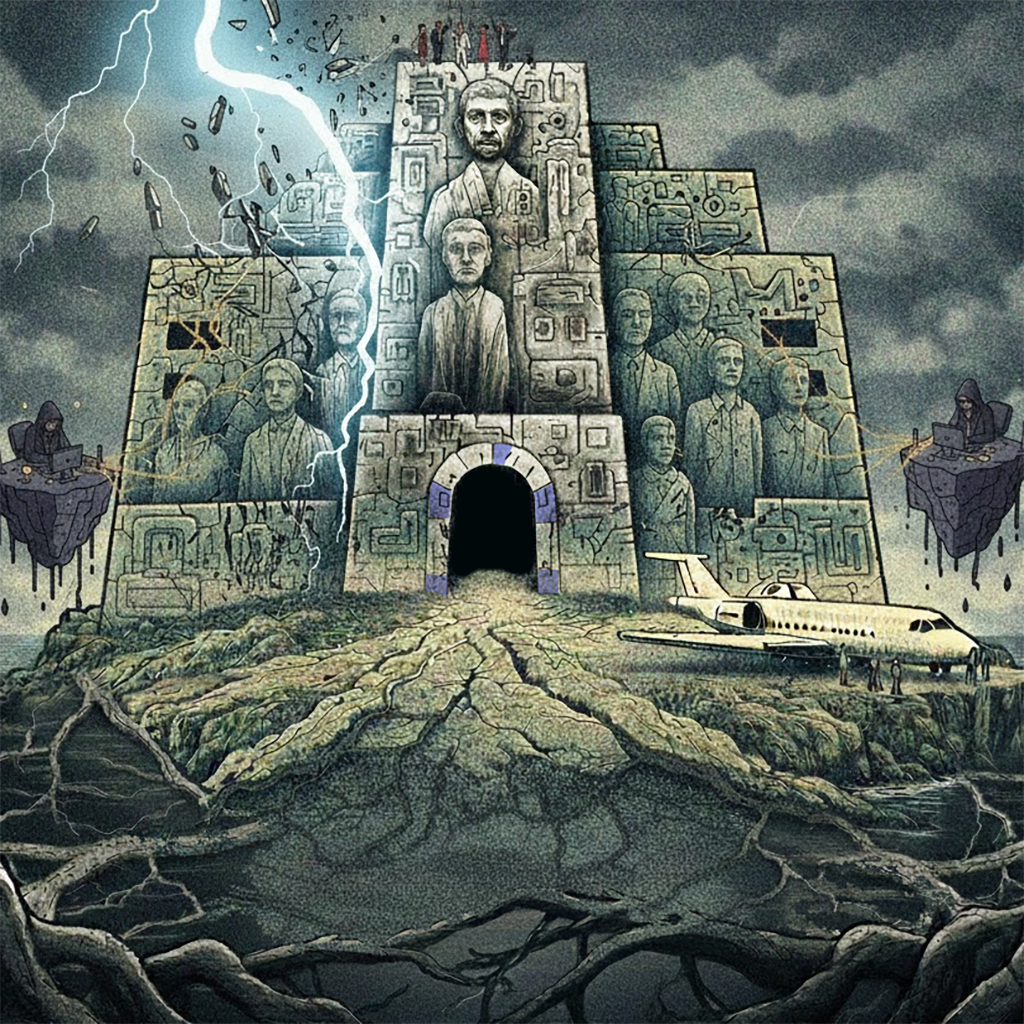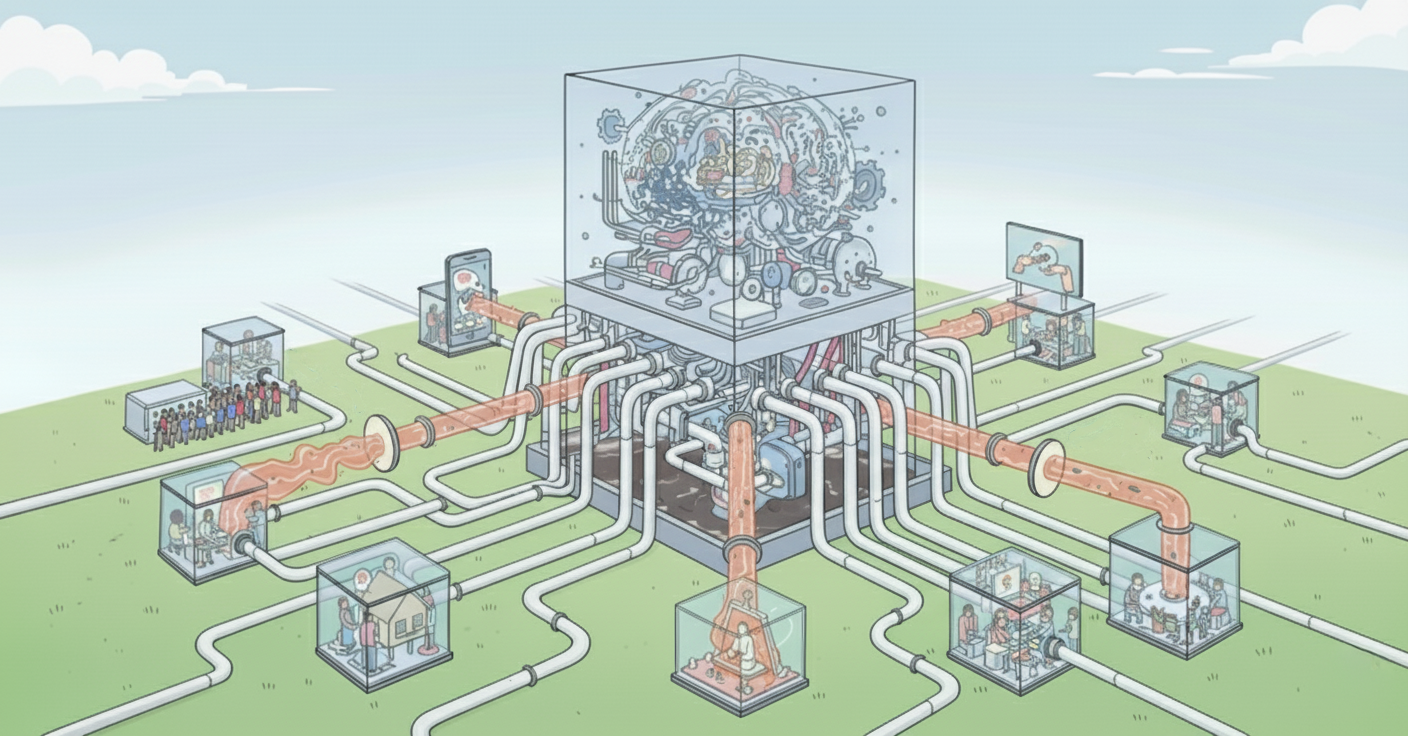
We’ve named the draining feeling and decoded the layered Architecture and its Model – and questioned the system. Now, let’s bring it home. The answer lies in the nine fundamental domains, the Facets, where extraction quietly manifests every single day.
Think of these as different lenses for analyzing specific areas of human experience. When you feel that sense of depletion, this framework can help you pinpoint its source and the specific resources being taken. It’s about developing a new form of literacy—the ability to read the systems around you more clearly.
The Nine Facets
1. Governance & Power looks at the political structures, laws, and bureaucracies that shape your energy. Extraction here can be the tedious bureaucracy of a government service that drains your time and patience, or the constant stream of political rhetoric that encourages emotional engagement, drawing your energy into a cause that doesn’t ultimately serve your well-being. The next time a seemingly simple task feels like a monumental struggle, recognize that it might be a system designed to extract your time and mental bandwidth.
2. Economy & Labor is all about work, financial systems, and the production and distribution of resources. It’s where we often feel extraction most directly. Think of the gig economy, which extracts labor without benefits or security, or the ‘hustle culture’ that conditions you to believe your worth is tied to your productivity, ultimately extracting your free time and identity. If you feel like your compensation never quite matches your output, it’s because the system is often designed to disproportionately extract your labor and concentrate the profit elsewhere.
3. Tools & Technology examines the physical and digital tools we use every day that can be built for extraction. This is behind the feeling of being ‘addicted’ to a smartphone app’s push notifications, which constantly extract your attention and time. The planned obsolescence of technology that forces you to buy a new device is another example, designed to extract your money.
4. Culture looks at our shared societal norms, values, and popular trends that enable extraction. Cultural messages about what makes a ‘good parent,’ ‘successful professional,’ or ‘attractive person’ can foster anxiety and drive consumption of products, services, and experiences you don’t actually need. The celebrity culture that harvests your admiration and aspirations is another, creating a hunger for products you don’t need.
5. Personal & Inner Life is the most intimate facet, focusing on your well-being, psychological state, and personal development. Extraction here can look like the ‘self-care’ industry that sells you products and services to fix the burnout created by another extractive system. It’s also the expectation of emotional labor—giving comfort and support to others without receiving it in return. When a person or situation consistently leaves you feeling emotionally depleted, your inner life is being extracted from.
6. Community & Relationships examines the social bonds that can be conditioned to become transactional. A common pattern is when social platforms or networking structures promote one-sided interactions—for example, when connections are primarily used to solicit support for a crowdfunding campaign or to provide free professional advice, without a reciprocal flow of energy or care. A healthy community gives more than it takes, and if your social connections feel like they’re demanding your energy without offering support, you might be in a relationship built on extraction.
7. Knowledge & Learning Systems analyzes the creation and dissemination of information that can be extractive. This includes the paywalls on articles that prevent you from accessing knowledge without paying, or the clickbait headlines that extract your curiosity and time but deliver no substance. It’s also the academic system that extracts your intellectual labor and ideas for little compensation.
8. Religion & Spirituality looks at organized belief systems and spiritual practices that can enable extraction. This includes the expectation of tithing a percentage of your income when you are struggling financially, or the commodification of spiritual healing or enlightenment, where you are forced to pay for an experience that should be available to all. If a spiritual path or community leaves you feeling guilty or diminished for not conforming, it might be extracting your emotional or financial resources.
9. Shelter & Place explores your fundamental connection to your home, land, and environment. The rising cost of rent and housing extracts a larger and larger percentage of your income, leaving you with less and less. It’s also the environmental degradation that extracts the health of the planet and local communities for corporate profit. Your home should be a place of refuge, not a financial stressor, and when a system makes it difficult to afford a safe place to live, it is extracting your sense of security and well-being.
From Feeling to Framework
Over these three articles, we’ve built a complete analytical framework for understanding extraction. We started by naming that draining feeling and recognizing extraction as a systemic pattern, not a personal failing. Then we decoded the hidden three-level Architecture—the host/macro, para, and subextractive systems—and the Model that governs how the system extracts from those within it. Now, with these Facets, we’ve mapped how these structural systems impact the different domains of human experience and consciousness.
This framework provides visibility into the mechanisms of extraction by weaving together structural analysis (drawing on Marxian insights into power and resource flows) with psychological understanding (using Jungian concepts of how systems affect different facets of human experience). This dual perspective allows you to examine extraction from both material and psychological angles and make informed choices about your engagement. The goal is to clearly and objectively see where your energy, attention, and resources are going, and whether you’re getting fair value in return.
This framework is your first step to a new kind of literacy. It’s about learning to read the systems that influence your life, so you can clearly see where your energy and attention are going.
This framework is just the beginning. For a deeper exploration of these systems and a practical path to reclaiming your well-being, you can find more in my book, ‘Asleep at the Will: The Dormant Soul Complex,’ and the forthcoming workbook, ‘Awake at the Will: Waking up to a Conscious Life.’