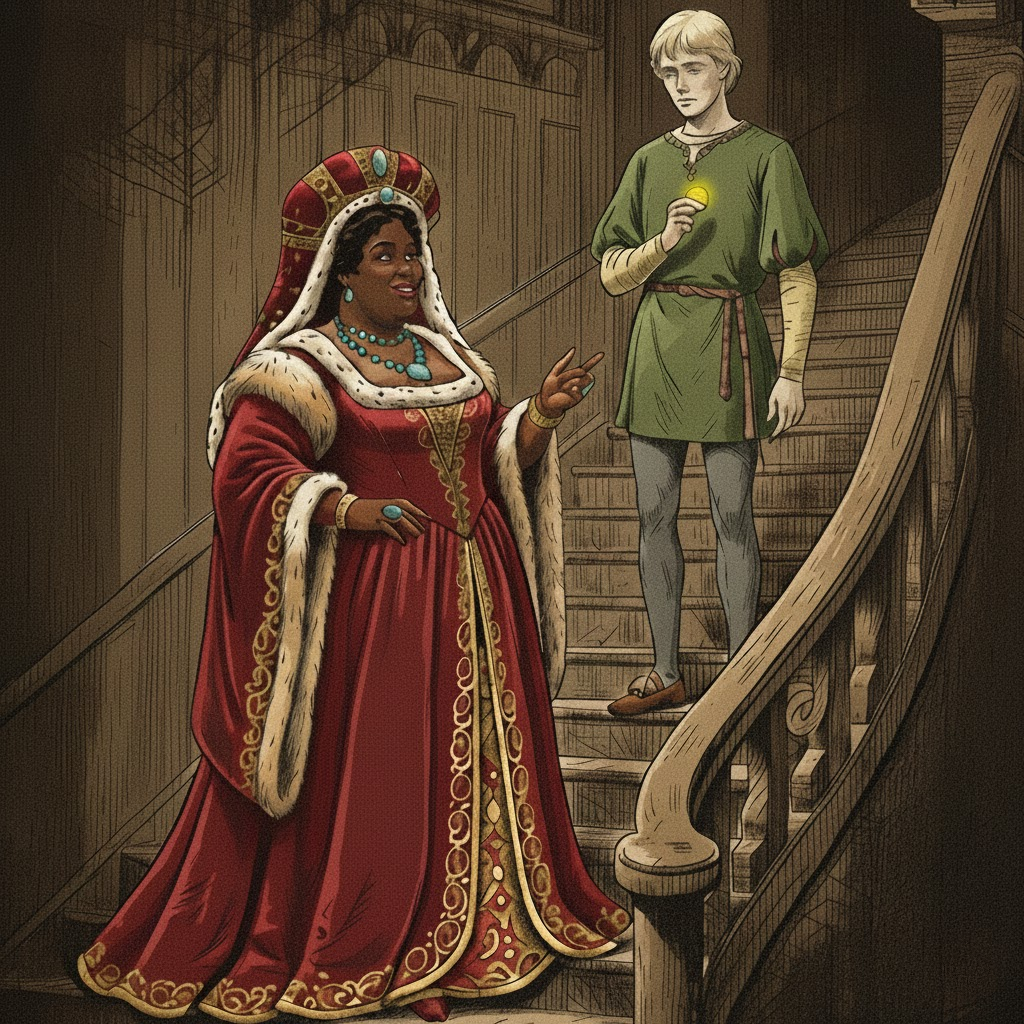
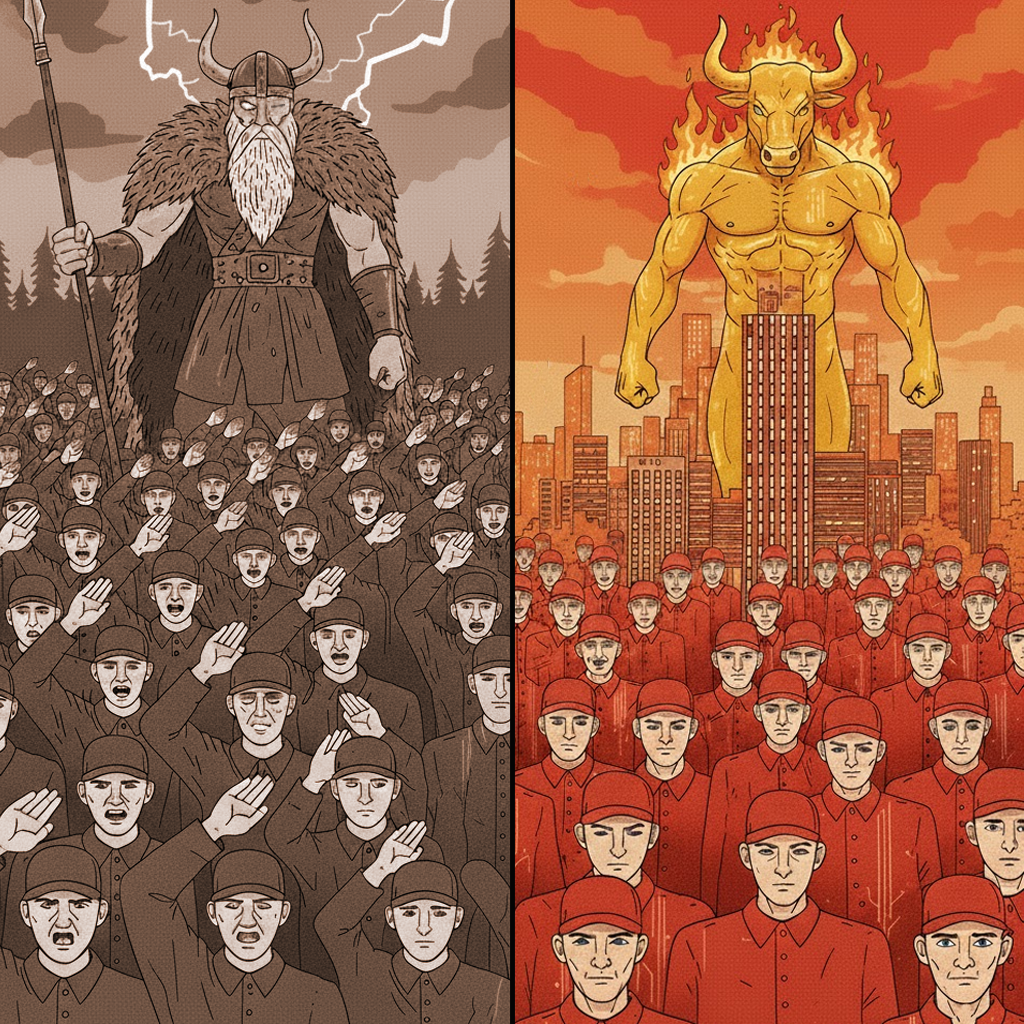
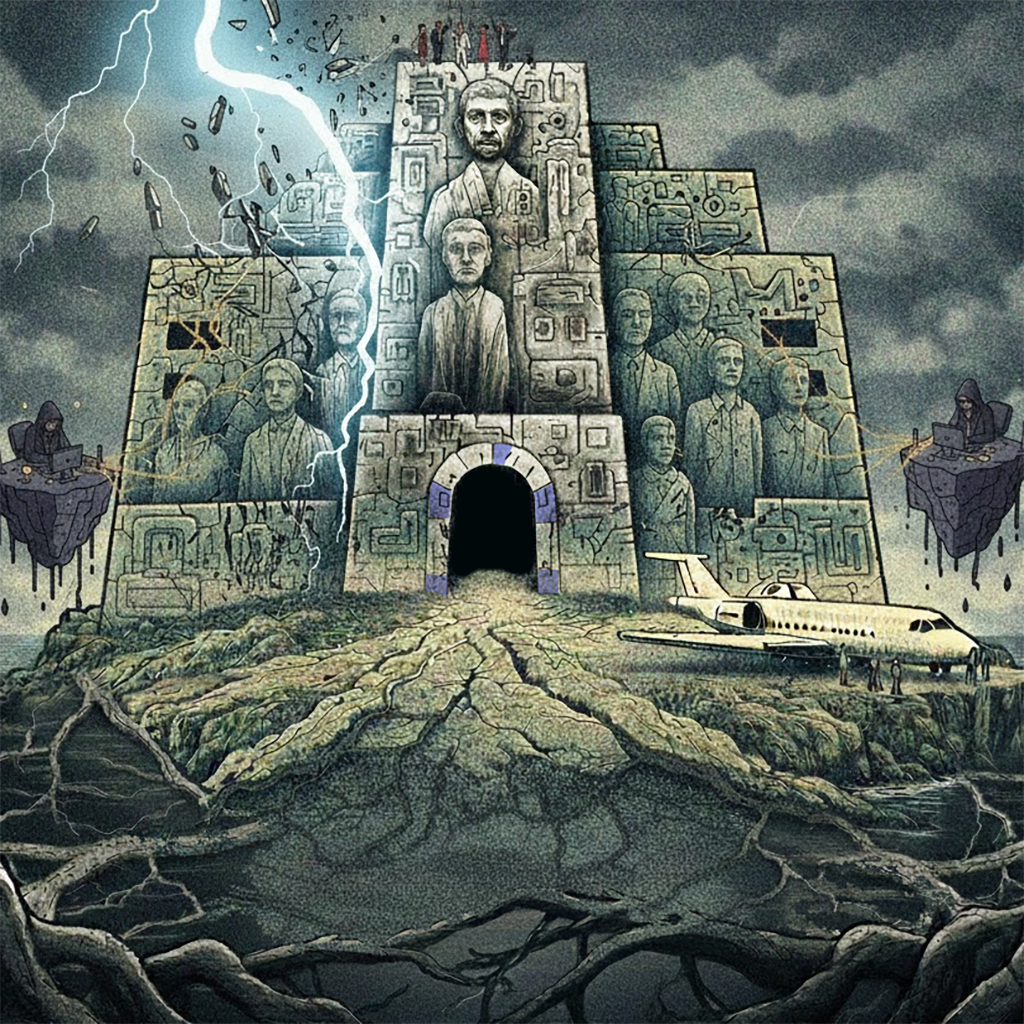
Carl Gustav Jung posited that the human psyche is structured not only by personal experience but by universal patterns, or archetypes, inherited from the Collective Unconscious. Among these foundational structures, the Father archetype serves as the psychic blueprint for logos, order, law, structure, and meaning. It is the principle that gives definition to chaos and grants the individual the necessary boundaries for independent functioning within society. When this archetype fails to be successfully integrated—either through the actual absence of a father figure, the presence of an abusive one, or simply an inadequate internalization of the principle of order—the result is an unintegrated Father Complex. This internal deficit does not remain merely personal; when it occurs en masse, through the Individual Shadow’s syntonic relationship with the Collective Shadow, it translates into a powerful, pathological, societal-level demand for an external authoritative figure, rendering a significant portion of the populace perfectly susceptible to the promises of the authoritarian leader. This deficit provides the ‘demand’ side of the authoritarian dynamic (see the article Rise of the Shadow King for the ‘supply’ side of this dynamic).
The Integrated Father and Internal Order
To understand the pathology of the complex, one must first define its healthy counterpart. In its positive, integrated form, the Father archetype manifests psychologically as the Healthy Father—a figure of generativity, protection, and blessing. The integrated Father principle provides the individual with an internal sense of authority and law. This allows the mature Self to establish inner boundaries, exercise self-regulation, and, crucially, navigate the vast, complex, and often ambiguous terrain of freedom without collapsing into anxiety. The individual who has integrated this principle does not fear the lack of external certainty; they carry the structure of meaning within themselves.
The Manifestations of the Unintegrated Complex
When the Father Archetype is not integrated, the resulting psychic vacuum is filled with anxiety and anomie. Anomie, properly defined by the French sociologist Émile Durkheim is:
- A state of social instability resulting from a breakdown or absence of social norms, values, and standards for individual behavior.
- A feeling of normlessness, aimlessness, or disorientation experienced by individuals when they feel disconnected from society’s expectations and moral guidance.
In short, a pervasive sense of purposelessness and the fear of boundless freedom. The individual lacks an internal compass and thus fears taking responsibility for their own life and decisions. This deficit initiates a pathological search; the individual constantly seeks to outsource their missing internal order. This search frequently manifests in the desperate idealization of external figures—whether it be gurus, charismatic employers, or, political leaders. Large swaths of the American population unconsciously respond to this complex. The unintegrated Father Complex serves as an amplified actor unto a collective body experiencing a deep psychological crisis that makes it particularly vulnerable to the Shadow aspects of the Father Archetype.
The Political Translation
This psychological deficiency directly fuels the political demand for absolute authority. Since the unintegrated complex finds solace only in certainty, it rejects ambiguity, nuance, and social complexity. It craves simplicity and definitive, black-and-white pronouncements, regardless of their accuracy. For the individual struggling with internal disorder, submission to an authority figure is unconsciously perceived as the ultimate form of safety. Giving over personal sovereignty to the external ‘Daddy’ is easier than developing internal self-control—whether that ‘Daddy’ is almost catatonic or potentially senile. The populace idealizes figures who project an unshakeable, hyper-masculine confidence and strength, inevitably mistaking authoritarian rigidity and emotional control or detached false benevolence for genuine, integrated leadership.
The External Authority’s Exploitation of the Void
Authoritative figures perfectly answer this psychological demand by stepping into the void left by the unintegrated complex. They offer seductive promises: “I alone can fix it,” “I’m the good guy,” or “I am your voice of order.”
These leaders become blank screens onto which the masses project their unmet need for definitive authority. Their most destructive impulses—their war on dissent and facts—align precisely with the psychological needs of their followers. Their attacks on dissent, ambiguity, ineffectiveness, weakness, and complex truths represent the internal chaos their followers desperately seek to avoid. By attacking external (often greatly exaggerated) disorder, these authority figures validate the subjects’ internal fear, solidifying their devotion and obedience.
Conclusion
The widespread failure to integrate the Father archetype internally creates a vast reservoir of demand that the external authority is archetypally obligated to fill. The ascendancy of such a leader is not merely an unfortunate historical accident; it is the necessary consequence of a collective psychological failure. True societal stability and responsible democracy are therefore not simply political achievements, but rather require deep psychological maturity. The ultimate defense against this vulnerability is the successful integration of the Father within the individual Self, replacing the desperate need for external authority with the quiet, resilient strength of internal ethics.
This article is part of a three-part series, the other two articles:
The Economy of Authoritarianism: Supply-and-Demand Between King and Collective
and